The Plain Facts, Carved
What It Is
A collection of hardware and software units for hobby robots — the parts-bin philosophy, formalized. Morpheus gathers the recurring organs of the garden’s early robots: the motor drivers and their Java control code, the sensor boards and the classes that read them, the little power boards that keep the rest honest.
The idea is old and sound: a robot should be assembled, not invented. Each unit is documented, tested on the bench, and put back where the next robot can find it.
It is a framework in the literal sense — the timber you build the creature on, so the creature itself can be different every time.
Told in the Seanchaí Tradition
The Build Story
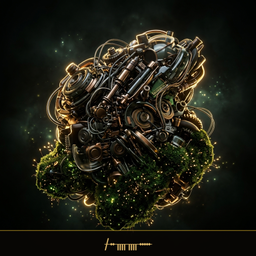
There is a god the Greeks borrowed from Irish storytelling habits and gave a name to, and the name is what matters: Morpheus, the shaper — the one who appears in dreams wearing whatever shape the dream needs, and is never the same god twice, and is somehow always the same god. The Irish knew this creature long before the Greeks spelled it: the shapeshifter who is all shapes, the dream-figure who is every figure. A robot workshop discovers the same theology around its second or third robot. You build the first one whole and learn nothing reusable; you build the second one and find yourself rebuilding the motor drivers and the sensor readers you had half-forgotten; by the third, you take the working parts out of the dead ones and keep them in a labelled box, and the box is the real project. Morpheus, this one, is that box: the drivers and readers and power boards from every robot that worked, kept shapely and interchangeable so the next creature can borrow a spine instead of growing one. Nothing in the dream is new, the shaper says, and that is why the dream is quick. The moss grows on the box lid like fur on a sleeping animal.