The Plain Facts, Carved
What It Is
The internet-controllable smiley sign — a face on the network. Anyone, anywhere, can make it grin: a Go service on the wire, a display at the end of it, and the whole mechanism of a smile exported to the open internet.
The build is the 2016 shape of the old question — what is a doorbell now? — answered in Go: a small service listening on the web, a sign in the physical world, and the two bridged so that a stranger’s click in any country becomes a flash of light on a wall in Athlone.
It exists because hospitality is the oldest of the Irish commandments, and the internet is the largest version of the road it has ever been practiced on.
Told in the Seanchaí Tradition
The Build Story
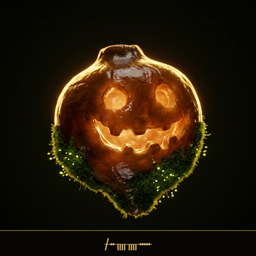
At Samhain in the old houses they carved turnips — not pumpkins, turnips, which are harder and uglier and were what the country actually had — and set them grinning in the window, because the doctrine of the feast was precise: the dead walk on this night, and a face in the window is a courtesy to whoever passes. You did not light the turnip to keep anything out; you lit it to say seen, and welcome, and known to be seen. The grin was the message, and the medium was whatever was to hand. In 2016 the garden rebuilt the doctrine with what the country had: a sign, a Go service, and the whole of the internet as the road. Anyone anywhere can knock now — a stranger in another hemisphere, clicking — and the sign in Athlone answers with the turnip’s old courtesy: a face, lit, grinning at you personally. Every era gets the lantern it deserves, the seanchaí says, and every lantern is the same one. The moss grows on the frame of this stone like ivy over a gate-post that has never once been shut.