Beith
birch
Sacred Script · Beith-Luis-Nin
Ogham — ogam in the old tongue — is the garden’s elder script: strokes cut along the edge of a standing stone, read from the bottom up, as a tree is climbed. Its own old name is Beith-Luis-Nin, after its first three letters. The stones that carry it number around four hundred, raised through the 4th to 6th centuries across Ireland and the west of Britain, and they speak the oldest written Irish there is.
The tradition gives it a runemaster of its own: Ogma mac Elathán, champion of the Tuatha Dé Danann, “a man to whom speech was a burden” — so he cut the speech into stone instead. The scholars’ primer, the Auraicept na n-Éces, and the In Lebor Ogaim keep the alphabet’s lore: the families, the letter-names, and the trees the glossators read into them.
Only five of the twenty letter-names were plain tree-words to the old scholars themselves — beith birch, fearn alder, sail willow, duir oak, coll hazel. The rest they argued over, and so does every book since. The garden keeps their arguments in the open rather than settling them.
On stone the stemline climbs the edge and the strokes stand right or left of it; on parchment it lies flat and reads left to right. Both truths live on this page — the carved cards climb, the plain rows lie.
The Row The Garden Answers To
The family’s name, cut the old way — from the foot of the stone upward, eight feda along one stem:
ᚄᚆᚐᚅᚐᚌᚆᚔ
And lying flat, as the manuscripts wrote it:
S · H · A · N · A · G · H · Y
Willow, white-thorn, fir, ash, fir, ivy, white-thorn, yew — the trees the family walked between, in the order of the name. Every glyph below tells how each is cut.
The Four Families · one to five strokes to the right of the stem
birch
rowan · the word means flame, or herb
alder — the van of the warrior-bands, for thereof are the shields
willow
ash in the arboreal gloss · the word means fork, or loft
The Four Families · one to five strokes to the left of the stem
white-thorn
oak
holly
hazel
apple tree
The Four Families · one to five scores slanting across the stem
bramble, or vine
ivy · the word means field
broom — the glossators wavered
blackthorn
elder
The Four Families · one to five notches cut through the stem — the vowels
fir, or pine
gorse · older glosses say ash
heather · the word means earth, or soil
aspen
yew
The Added Letters · the glossators’ own
aspen — crithach
gold · ór, from the Latin aurum; spindle tree in the gloss
elbow · honeysuckle in the gloss
gooseberry, or thorn
the twin of hazel
soft beith · dwarf elder
What The Cuts Said Aloud
Twenty letters for twenty sounds of Primitive Irish: B L F S N · H D T C Q · M G NG Z R · A O U E I — five families of five. The vowels are the simplest cuts: one notch for a, two for o, three for u, four for e, five for i.
The stones are older than our certainty about them. Fearn cut a w-sound when the stones were young, and only later a f; Straif wavered between st and z in the glossators’ hands; Uath may not have been a letter with a sound at all. The forfeda waver most of all — their values differ from list to list in the manuscripts, and the garden reports the wavering rather than hiding it.
Grounds By The Mirror · Cuts By The Hand
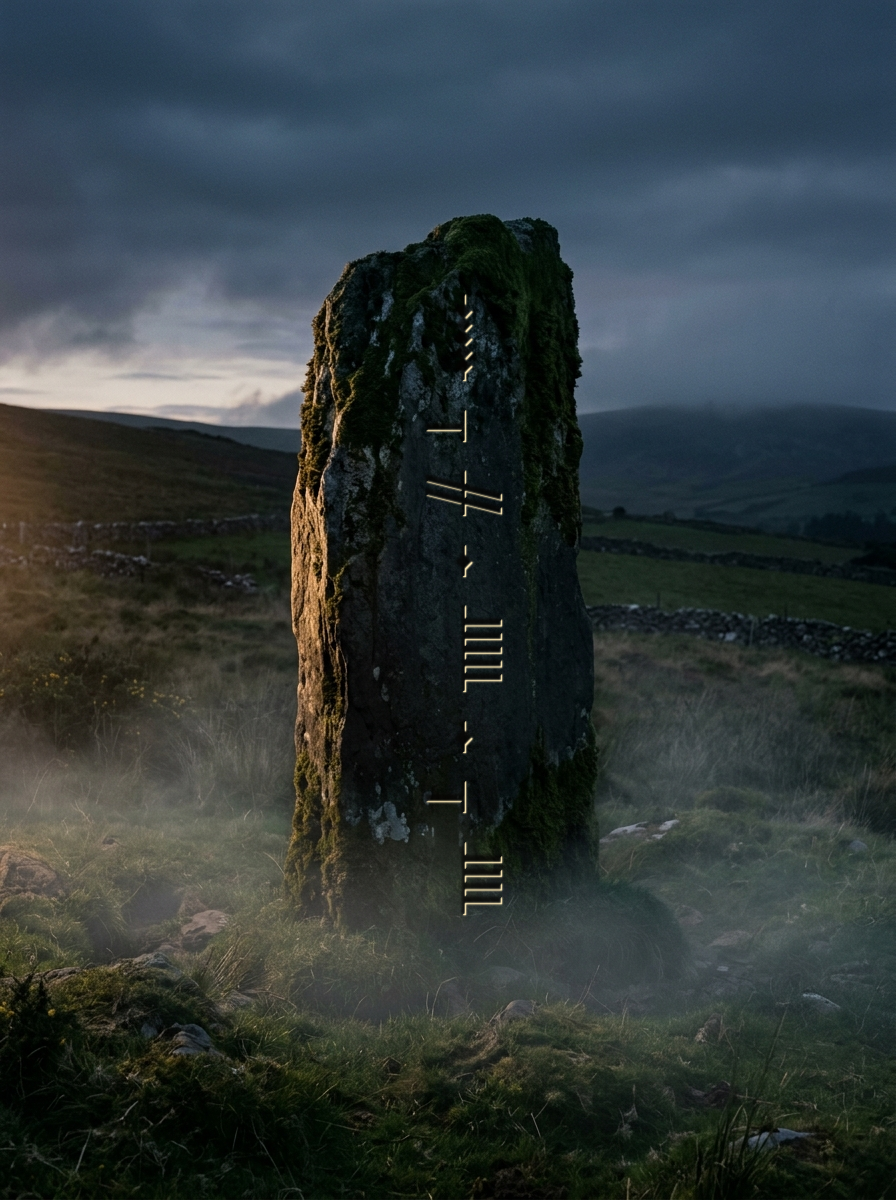
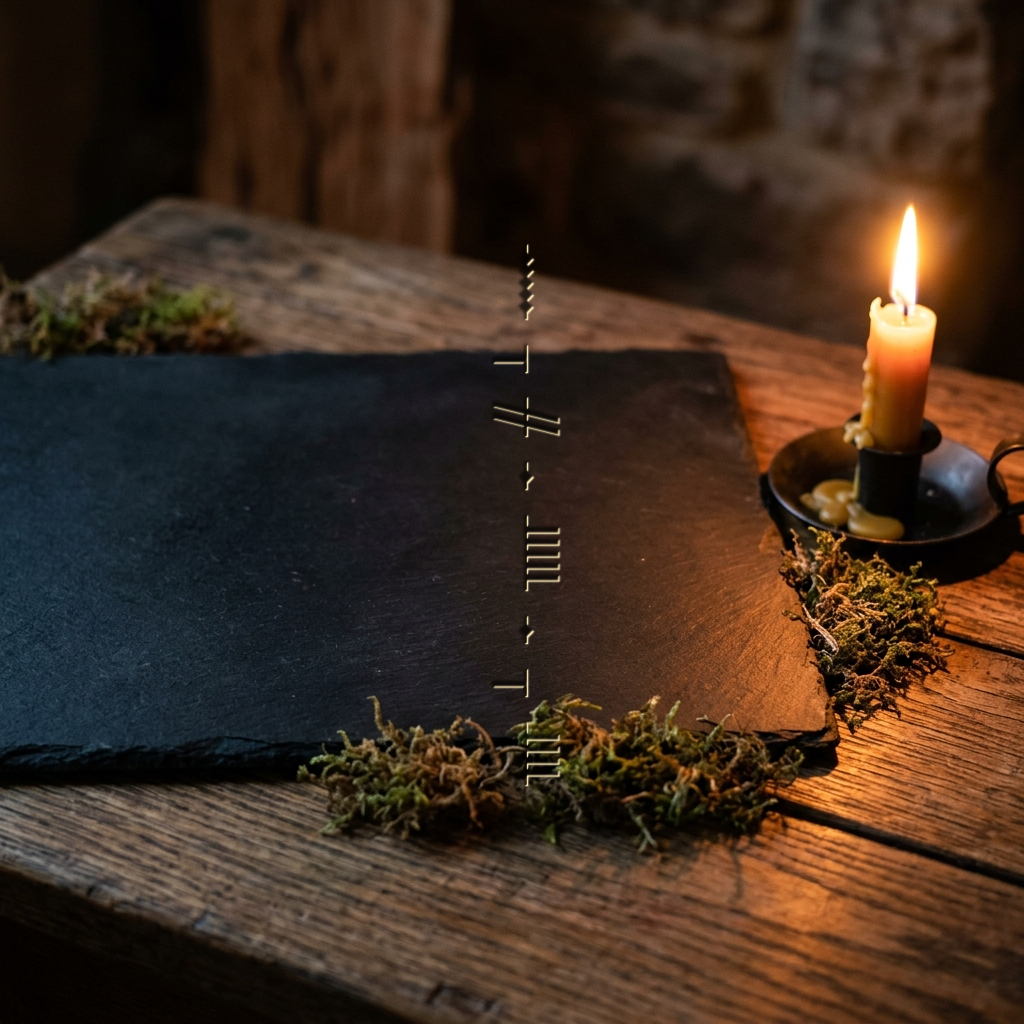
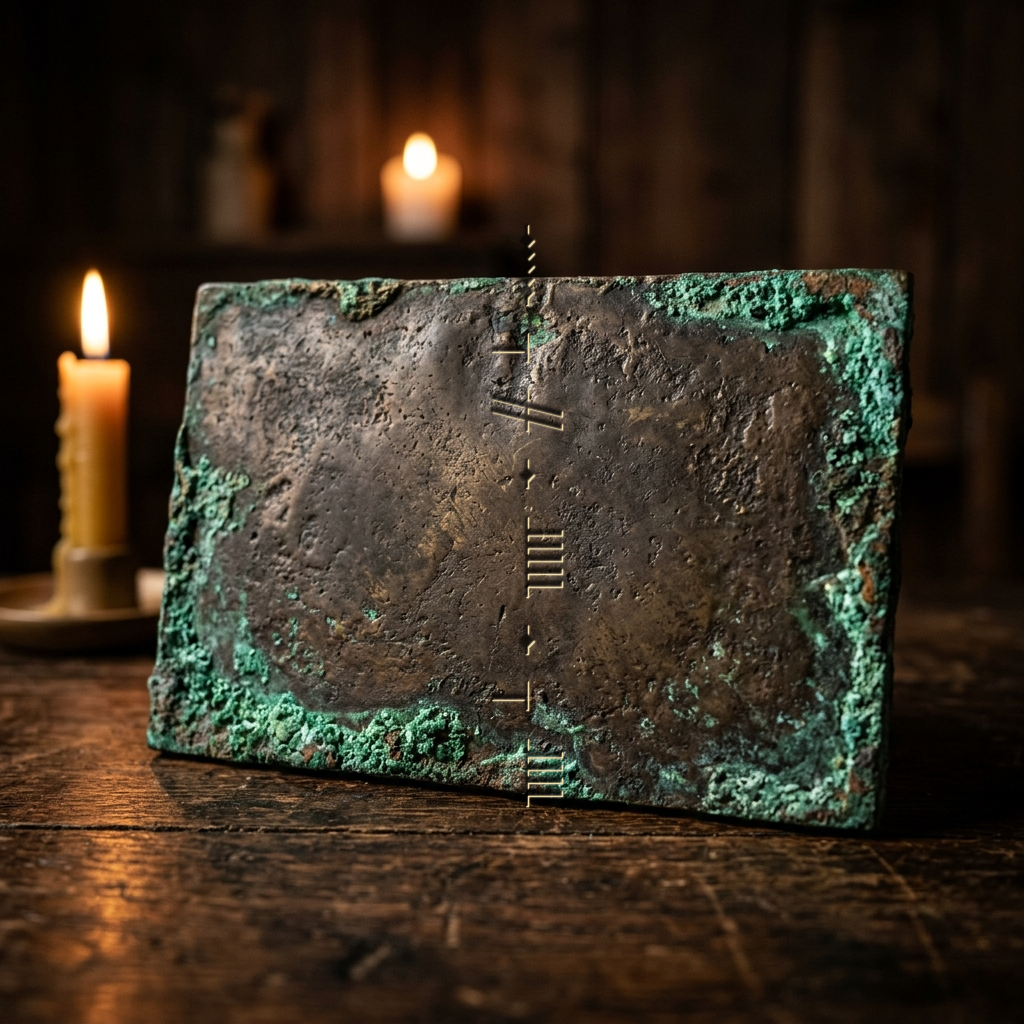
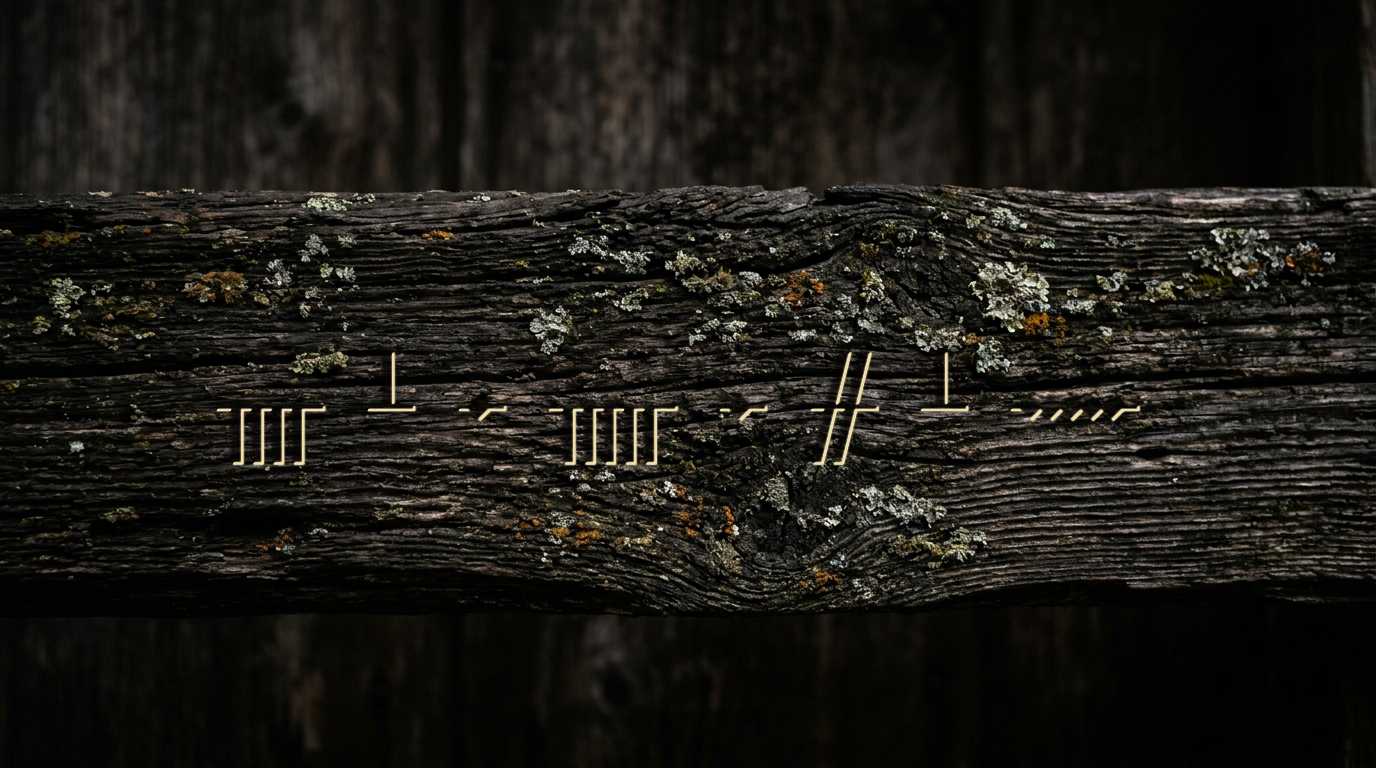
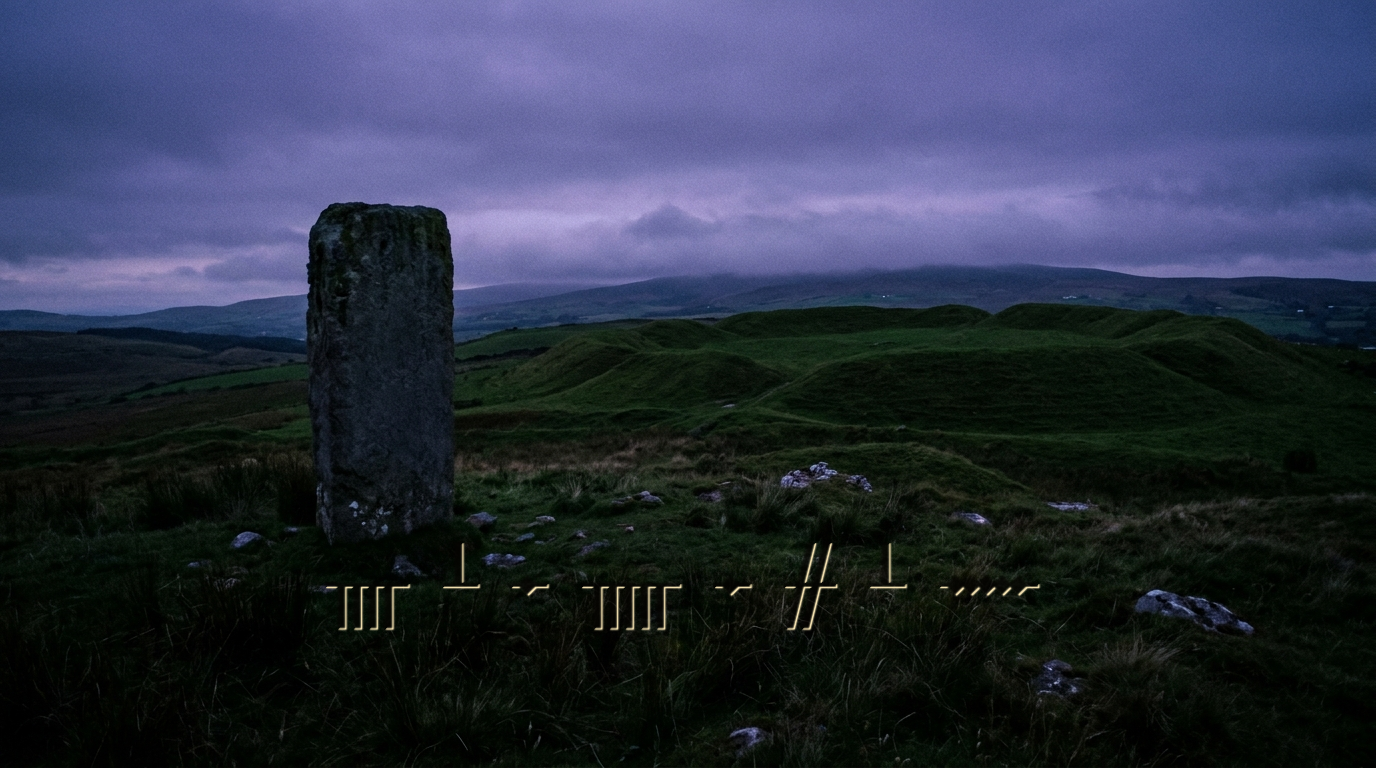
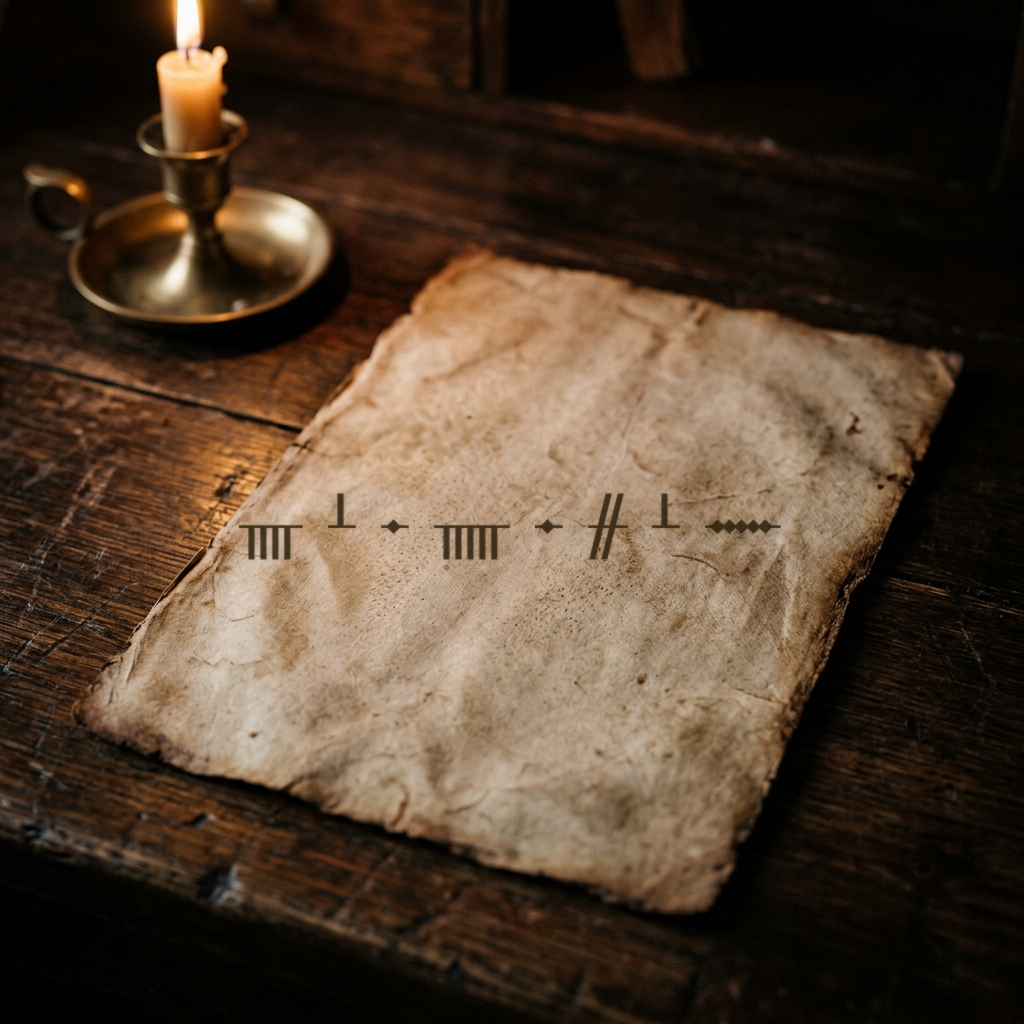
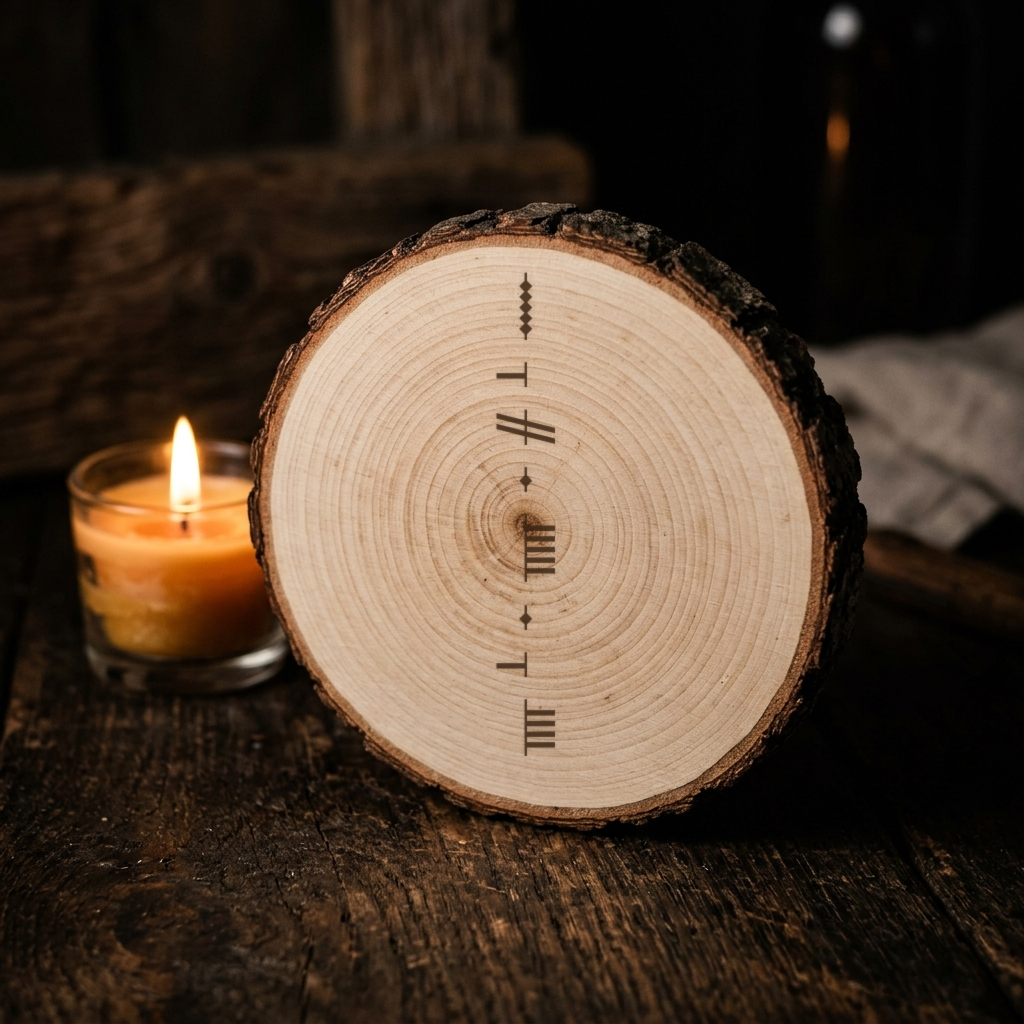
Eight grounds for the one row. The mirror painted the stone, the moss, the candle-smoke and the hillside — and then, by the law, the mirror was sent away and the glyphs were cut by hand onto every ground: composited from the exact letter-row, never left to a model’s imagining. Each ground’s prompt is kept beside it, for a prompt that lives only in chat is a prompt lost.

Where The Paths Cross
the elder tongue is the garden’s first law — everything else follows it:
Futhark wakes only where the wolf is summoned — and it is not summoned here. Ogham is the elder voice of every stone; the runes sleep.